
Intelligent Inventory Control: Why Warehouses Need Professional Remote Monitoring
Warehouses and distribution centers face one of the most complex security challenges in the commercial world. They are vast spaces housing high-value, highly mobile inventory, operating with continuous vehicular traffic, and relying on large, often transient, workforces. The primary threats are external cargo theft and organized retail crime (ORC) targeting entire loads, as well as pervasive internal employee theft (shrinkage) and severe liability risks from vehicle and personnel accidents.
Traditional security—relying on expensive, extensive patrols and reactive CCTV—is often stretched thin across massive perimeters and is incapable of proactively stopping internal or external threats. Hiring a specialized professional remote monitoring service, such as EndOfTheft, transforms security into an intelligent, proactive, and compliant loss prevention system. This service delivers superior coverage while providing substantial operational cost savings.
1. Proactive Deterrence of External Cargo and Perimeter Theft
Cargo theft is a multi-billion-dollar problem. Remote monitoring acts as the first line of defense against highly coordinated criminal organizations.
- Live Audio Talk-Downs and Perimeter Defense: Remote operators use AI-powered video analytics to establish virtual tripwires around the perimeter, dock doors, trailer yards, and remote storage areas. When unauthorized access, tampering, or suspicious vehicles are detected, the operator instantly issues a loud, personalized verbal warning. This real-time intervention is highly effective at deterring over 90% of cargo theft and vandalism attempts before they breach the facility.
- Preventing ORC and Full-Load Theft: Remote services focus surveillance on vulnerable areas such as trailer yards and gates, detecting staging of theft attempts or unauthorized trailer hitching, a key tactic of Organized Retail Crime (ORC).
- Verified Priority Dispatch: When a security breach is confirmed by live video, the remote operator provides verified threat intelligence to the police. This ensures law enforcement grants a faster, priority response, which is critical for apprehending criminals and recovering high-value cargo.
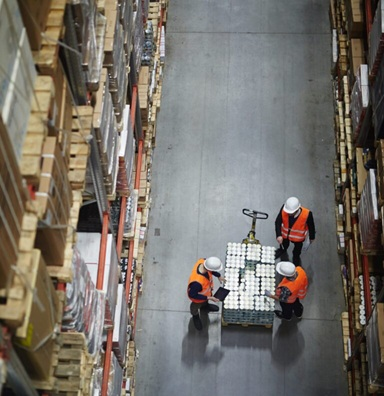
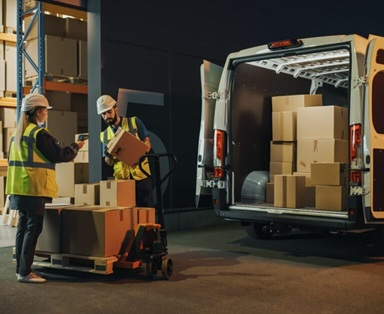
2. Rigorous Control of Internal Theft and Inventory Shrinkage
Internal employee theft and vendor collusion are significant drivers of inventory shrinkage in warehouses.
- Dock Door and Inventory Zone Audits: Remote operators continuously monitor dock doors, ensuring they are only opened for scheduled, authorized trucks and are immediately secured. They also monitor the movement of high-value products in staging areas to prevent unauthorized removal by employees.
- Compliance with High-Value Product Handling: For facilities storing sensitive or high-value items, the service can audit staff compliance with the “two-person rule” or manifest verification procedures during loading and transfer processes, creating an irrefutable audit trail for inventory integrity.
- Access Control Verification: The service tracks and verifies all after-hours and weekend access by staff or third-party vendors (cleaning, maintenance), ensuring that only authorized individuals are present in sensitive areas.
3. Operational Efficiency and Liability Mitigation
The vast size of warehouses makes them high-risk environments for accidents and liability claims.
- Safety and Hazard Detection: Remote operators can conduct virtual patrols of high-traffic zones, aisles, and staging areas, spotting non-security hazards like spills, poorly stacked pallets, or forklifts operating unsafely. Alerting management immediately prevents accidents and mitigates the risk of expensive premises liability lawsuits or severe workers’ compensation claims.
- Eliminating False Alarms: Warehouse alarms are frequently triggered by automated equipment, fans, or large moving objects. Remote human verification of alarms eliminates false police dispatches, saving money on municipal fines and preserving the efficiency of local law enforcement.
- Reducing Fixed Labor Costs: Remote monitoring replaces the need for expensive, static security guards whose coverage is limited. This reallocates security spending from low-value, fixed-post monitoring to high-value, proactive intervention.

The financial justification for warehouse centers is to replace the massive cost of human labor and to actively mitigate the staggering losses from external cargo theft and internal shrinkage.
Cost Saving/Risk Area
Traditional On-Site Guard Model
Professional Remote Monitoring Service
Estimated Annual Cost Savings & ROI
Security Labor Cost (24/7)
≈ $150,000 – $250,000 per year (for a single 24/7 static post)
≈ $20,000 – $50,000 per year (Annual monitoring fee for a facility)
70% to 90% reduction in fixed security labor costs for perimeter and static monitoring.
Cargo Theft/Vandalism Loss
High; single cargo loss can exceed $100,000+; recurring vandalism/copper theft.
Low; Live Talk-Down deters crime instantly. Property crime reduced by 60% – 90%.
Avoids catastrophic single-incident losses and reduces recurring repair and insurance deductible costs.
Internal Shrinkage/Theft
High; employee theft can account for a significant portion of annual inventory shrink.
Lowered; continuous virtual auditing of dock doors and high-value zones prevents theft.
Prevents tens of thousands of dollars in annual losses from internal inventory diversion.
Workers' Comp/Liability Claims
High risk due to heavy machinery and large traffic areas.
Lowered; proactive hazard spotting and irrefutable video defense minimizes injury.
Reduces the frequency and cost of workers’ compensation and premises liability claims.
Insurance Premiums/Deductibles
High claims history due to theft/accidents leads to high premiums.
Lowered; demonstrable, proactive security lowers risk profile.
Potential reduction of $10,000 – $50,000+ in annual insurance costs.
The return on investment (ROI) is rapid and substantial: preventing just one full-trailer cargo theft or eliminating a persistent internal inventory diversion scheme will easily cover the entire annual remote monitoring contract, making the system a direct contributor to the warehouse’s bottom line.
For warehouses and distribution centers, professional remote monitoring is the definitive solution for high-level loss prevention. It establishes a dedicated, intelligent security architecture that actively deters external cargo theft through live intervention and provides essential auditing capabilities to combat internal shrinkage and operational risks. By achieving massive savings on fixed labor costs and effectively mitigating high-stakes inventory loss and liability, a service like endoftheft allows logistics operators to maximize efficiency, ensure asset integrity, and maintain a secure, compliant environment.