
School Safety Force Multiplier:
Cut Vandalism Costs and Secure Campuses with Remote Monitoring
Schools are vital community hubs that require meticulous security to ensure the safety of students, faculty, and high-value assets. Modern schools face a growing, dual security threat: high-stakes public safety concerns (intruder incidents and violence) and routine, costly threats (vandalism, theft of equipment, and copper theft from HVAC systems) during extended non-school hours.
Relying solely on in-house staff or generic alarm systems is increasingly insufficient and expensive. Hiring a specialized professional remote monitoring service, such as EndOfTheft, provides an intelligent, proactive, and discreet security layer that dramatically enhances public safety preparedness while delivering substantial operational cost savings.
1. Proactive Safety and Intruder Deterrence (Non-School Hours)
The biggest threat to a school’s budget outside of school hours is severe, costly vandalism, equipment theft, and the resulting insurance claims.
- Live Audio Talk-Downs: Remote monitoring uses AI video analytics to detect unauthorized activity near the perimeter, playgrounds, sports fields, and building entry points. The operator can instantly issue a loud, personalized verbal warning (e.g., “This area is monitored. Leave the school property immediately, police have been notified.”). This is the single most effective way to deter vandalism, copper theft, and break-ins before damage occurs.
- Verified Priority Dispatch: When an intruder is confirmed by video, the remote operator provides verified threat intelligence to the police. This ensures a faster, priority law enforcement response, which is critical for minimizing property damage and preventing a minor break-in from escalating.
- Protecting High-Value Assets: Monitoring vulnerable areas like IT rooms, band/art rooms (expensive equipment), and utility areas (copper wiring) ensures these assets are protected when staff are absent.
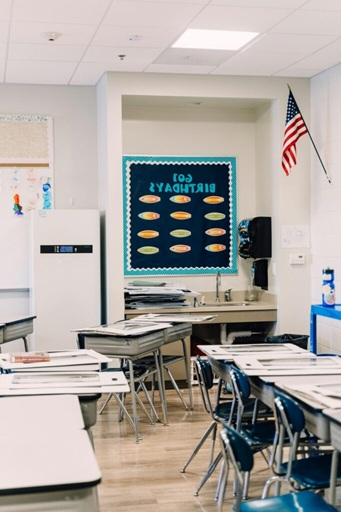
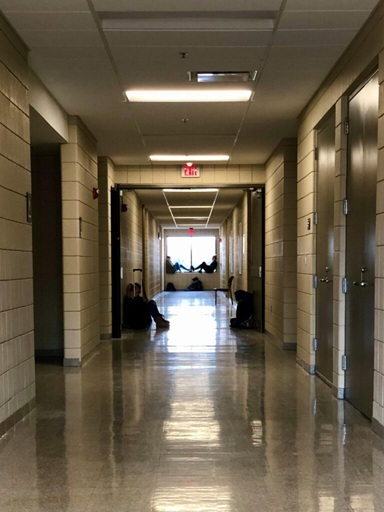
2. Enhancing Public Safety and Emergency Response (School Hours)
During school hours, the service acts as a safety backup, enhancing the visibility of staff and law enforcement.
- Monitoring Access Points: Remote operators can continuously monitor main entrances, delivery docks, and fire exits, ensuring doors remain closed and immediately flagging unauthorized attempts to enter the building, supplementing the front office staff.
- Controlled Access Verification: For planned after-hours events (sports, concerts), the service verifies that only authorized personnel access the building and ensures all doors are secured immediately after the event concludes.
- Objective Incident Documentation: Should a fight, accident, or intruder alert occur, the continuous, high-resolution video provides irrefutable evidence for school administration, police, and legal defense, which is crucial for managing liability claims.
3. Significant Operational Cost Savings and Resource Reallocation
The cost of maintaining human security staff and paying for damages consumes a large part of the operational budget.
- Reduction in Vandalism Repair Costs: By instantly deterring vandals, the service prevents the costly, recurring expenses of cleaning graffiti, repairing broken windows, and fixing playground damage, allowing maintenance budgets to be spent on educational needs rather than repairs.
- Eliminating False-Alarm Fines: Schools have large, complex alarm systems that are prone to false triggers. Remote human verification of alarms eliminates false police dispatches, saving the school district money on municipal fines and preserving a positive relationship with first responders.
- Labor Cost Efficiency: Remote monitoring eliminates the need to hire expensive, fixed-post security personnel for static coverage at night, on weekends, and on holidays, allowing school police or security staff to focus their labor hours on high-value, dynamic tasks.
The financial justification for schools is centered on preventing high-cost, recurring asset damage (vandalism and theft) and avoiding the need for expensive, round-the-clock human security.
Cost Saving/Risk Area
Traditional Model (Static Guard/Reactive Alarm)
Professional Remote Monitoring Service
Estimated Annual Cost Savings & ROI
Security Labor Cost (Off-Hours)
≈ $50,000 – $75,000 per year (for a single dedicated overnight guard)
≈ $10,000 – $20,000 per year (Annual monitoring fee for a facility)
60% to 85% reduction in labor costs dedicated to perimeter and overnight surveillance.
Vandalism/Repair Costs
High; recurring costs from cleaning graffiti, window repair, etc.
Low; Live Talk-Down deters crime instantly. Vandalism damage costs reduced by 60% – 90%.
Avoids single-incident repair costs that often exceed $2,000 – $10,000 per occurrence.
Theft of Copper/HVAC Equipment
High; major, uninsured loss and operational disruption.
Low (trained operators verify the alarm with video before calling police).
Prevents catastrophic losses and the high cost of emergency replacement and service interruption.
False Alarm Fines
High; frequent non-threat alarms lead to municipal fines.
Near-zero; video verification eliminates unnecessary police dispatch.
Eliminates recurring fines and frees up police resources for genuine emergencies.
Liability Insurance Premiums
Moderate to High due to lack of verifiable, continuous security measures.
Lowered; demonstrably proactive safety measures lead to lower insurance premiums.
Potential reduction of $2,000 – $5,000 in annual premiums.
By reallocating funds typically spent on a single overnight security position and preventing just a few major incidents of vandalism, a school district can easily cover the cost of monitoring several campuses, directly freeing up funds for classroom resources.
For schools and school districts, professional remote monitoring is a prudent, cost-effective necessity. It establishes a dedicated, proactive security layer that actively deters crime and vandalism during vulnerable non-school hours, while providing critical, objective support for safety procedures during the day. By enabling massive savings on security labor and minimizing the devastating costs of property damage and liability, a service like EndOfTheft allows educational institutions to maximize the protection of their students and faculty and ensure that budget resources are allocated to education, not emergency repairs.