
Apartment & Property Management Security: A Practical Guide to Protecting Residential & Commercial Properties
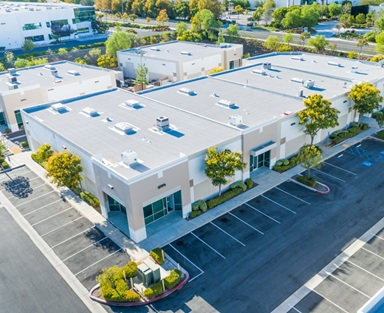
For modern property managers, asset supervisors, and residential board members, overseeing a real estate portfolio involves far more than simply arranging facility maintenance, organizing utility repairs, and collecting monthly rent checks. Today, managing a successful real estate asset requires maintaining a safe, stable environment where tenants can live and work without fear of preventable losses.
From high-density multi-family housing complexes to multi-tenant retail hubs, property operators face a constant mix of operational security threats every day. Dealing with persistent issues like vehicle break-ins, package theft, property damage, and premise liability claims can quickly drain management resources and lower tenant retention rates.
Traditional unmonitored closed-circuit television (CCTV) systems are no longer enough to keep modern properties safe. Passive cameras only record crime onto a local drive, leaving you with nothing but footage of a loss after it has already occurred. To protect modern residential and commercial spaces effectively, managers across Massachusetts are shifting to proactive security solutions. Implementing active apartment & property management security frameworks stops threats in their tracks, shielding your bottom line and protecting your community.
The Biggest Security Challenges Property Managers Face
Identifying the specific security and operational risks on your property is the first step toward building a reliable defense framework. Property management professionals frequently deal with several key challenges:
Unauthorized Visitors and Trespassing
Whether it is an unverified individual tailgating through a vehicle gate or an unauthorized guest entering common spaces, loose access controls leave your property open to security breaches. Intruders often look for unsecured secondary access points or side fire exits to enter restricted residential corridors.
Parking Lot Crimes
Open parking structures and dark parking lots are frequent targets for opportunistic property crime. Without continuous oversight, dark corners become high-risk areas for vehicle break-ins, catalytic converter thefts, and intentional tire slashings, which quickly damages tenant confidence.
Constant Package Theft
The massive rise in online deliveries has made residential mailrooms and common lobbies prime targets for package thieves. “Porch pirates” can easily slip into building common spaces during high-traffic daytime shifts or follow delivery drivers inside to clear out unsecured package drop zones.
Vandalism and Property Damage
Dealing with recurring property damage—such as exterior graffiti, broken perimeter fencing, smashed lighting fixtures, and illegal trash dumping—creates significant, unexpected maintenance costs that can quickly disrupt your operational budget.
Securing Vacant Units
Unoccupied apartment spaces, newly constructed commercial shells, and unleased office bays face elevated security risks. Without dedicated internal tracking, these dark areas can easily attract squatters, copper scavengers, or unauthorized visitors who can cause extensive hidden damage.
Resident Safety Concerns
A property’s reputation depends heavily on how safe residents feel in their homes. Frequent loitering in common courtyard spaces, arguments in shared areas, or unmonitored stairwells can lead to negative community reviews, lower lease renewals, and increased vacancy rates.
Maintenance Liability and Slip-and-Fall Claims
Beyond intentional crime, property managers face constant liability risks from structural issues. Unaddressed water leaks, blocked emergency exit lanes, broken walkway lights, and fraudulent slip-and-fall claims can lead to costly legal disputes if management lacks clear video evidence to verify the incident.
How Remote Video Monitoring Helps Property Managers
Upgrading your commercial property architecture from standard recording cameras to a live remote surveillance monitoring center changes your security stance from reactive to proactive. Instead of simply recording a crime, modern remote surveillance actively stops incidents before they escalate.
Intelligent Systems Track Movement:
Phase 1: Detection.Instead of relying on a guard to walk a slow patrol loop, advanced analytics software continuously watches your entire site perimeter, dark parking rows, and main access gates simultaneously.
Live Specialists Analyze the Alert:
Phase 2: Verification.When unusual movement occurs during high-risk hours, an alert triggers. Trained off-site operators immediately review the live camera feed to verify the threat, filtering out false alarms caused by wind, animals, or weather.
Live Audio Interventions Stop Intruders:
Phase 3: Deterrence.If an operator spots a trespasser scaling a fence or loitering near a package room, they can activate a live "voice-down" public address warning. Hearing a live human speaker state their exact location and clothing description deters most opportunist intruders immediately.p>
Coordinated Dispatch Handles the Threat:
Phase 4: Escalation.If the intruder ignores the audio warning, the monitoring center initiates immediate action. Operators provide local emergency services or your on-site physical security guards with real-time tactical updates, leading to a faster and safer intervention.
Key Areas That Should Be Monitored
To build a reliable property defense network, ensure your active camera placement includes both your external boundaries and key internal common spaces:
- Exterior Assets: Open parking structures, dark parking lots, main vehicle entrances, secondary exit gates, loading zones, dumpster enclosures, perimeter fencing, and rooftop access areas.
- Common Shared Spaces: Lobbies, mailrooms, package storage zones, elevator banks, main stairwells, public corridors, and shared amenity decks.
- Restricted Operational Zones: Mechanical rooms, electrical vaults, server spaces, maintenance shops, and unleased vacant apartments.
Benefits for Apartment Communities
Implementing professional live camera monitoring across a multi-family property or HOA community creates meaningful long-term value for residents and owners alike:
- Safer Living Environments: Continuous overnight surveillance gives residents real peace of mind, knowing that common hallways, playgrounds, and parking spaces are actively protected.
- Drastic Reduction in Vandalism: Proactive audio warnings stop property damage, graffiti, and illegal trash dumping before they result in expensive repairs.
- Airtight Package Protection: Focused camera monitoring over mailrooms and delivery drops stops porch piracy, ensuring packages reach their destination safely.
- Increased Tenant Confidence: Providing a modern, visible security framework helps residents feel secure in their community, leading to higher lease renewals.
- Improved Property Reputation: Maintaining a safe, crime-free environment helps your property earn positive online reviews, allowing you to attract top-tier tenants and maintain high occupancy levels.
Benefits for Commercial Property Managers
Commercial real estate portfolios require a distinct defensive approach compared to residential communities. Properties like downtown office hubs, high-traffic retail strips, medical offices, business plazas, and mixed-use developments face unique operational challenges that benefit directly from remote surveillance.
Live tracking centers provide tailored after-hours security plans that protect expensive business equipment and commercial inventories overnight when offices are closed. Additionally, remote specialists can verify incoming contractor shifts, track late-night vendor deliveries at loading zones, and manage visitor entries through main lobbies. This active oversight helps asset managers optimize their operations, reduce liability exposure, and lower traditional physical guard payroll costs across their entire commercial portfolio.
Can You Use Your Existing Security Cameras?
Yes—and this capability is a major reason why modern property surveillance monitoring remains highly accessible for growing real estate companies.
You generally do not need to take on the massive upfront cost of replacing your entire camera infrastructure or running new video cables across your property. Using secure, encrypted network bridging software, EndOfTheft can link standard IP networks, existing CCTV setups, functional NVR setups, or older DVR systems straight to our off-site central monitoring center. A thorough professional assessment determines the capabilities of your current system, allowing you to upgrade your site defense without taking on unnecessary hardware debt.
Want to learn more about the technical setup? Read our foundational guide: What Is Remote Video Monitoring? to see how seamlessly this software bridge connects with your property.
Why Massachusetts Property Managers Are Choosing Remote Monitoring
From high-density urban housing networks to major suburban commercial plazas, real estate operators across Massachusetts face fast-changing management demands. EndOfTheft delivers localized, highly responsive security surveillance tracking designed to protect commercial property assets across the diverse real estate sectors of the Commonwealth.
Our remote teams design custom property monitoring plans across key regional real estate markets:
- Protecting premium multi-family structures, historic urban apartments, and retail centers in Boston.
- Securing sprawling corporate plazas, commercial business parks, and residential complexes in Cambridge.
- Monitoring high-density housing networks, commercial buildings, and open parking lots in Worcester.
- Managing local residential blocks, loading zones, and mixed-use spaces in Springfield.
- Mitigating loitering, property damage, and after-hours trespass risks in plazas throughout Lynn.
Because every commercial property features a unique layout and different localized risks, we avoid generic, one-size-fits-all options. We build customized monitoring structures tailored to your specific acreage, hardware setup, and security goals.
Frequently Asked Questions
1. How much does apartment property monitoring cost?
Because every property features a unique physical layout, different camera counts, and distinct monitoring schedules, there is no flat standard fee. Custom service plans are calculated dynamically based on your precise property needs, ensuring your budget is focused exactly where your assets require protection.
2. Can remote property monitoring operate exclusively overnight?
Yes. Monitoring plans are fully adaptable to your property’s schedule. You can set the monitoring center to take active visual control exclusively during overnight vacancies and weekend closures, or maintain continuous 24/7 oversight for high-risk spaces like mailrooms or parking structures.
3. Can a single remote monitoring plan connect multiple detached buildings?
Absolutely. A major advantage of professional live video tracking is its scalability. Security streams from separate geographic locations or detached residential buildings can be routed into a unified central dashboard, allowing management to oversee a complete property portfolio from one system.
4. Do we need to install new camera models to activate this service?
Generally, no. One of our core priorities is leveraging your existing hardware investments. Through secure network bridging software, we can link standard IP, CCTV, NVR, or DVR camera grids directly to our off-site monitoring dashboards, avoiding the need for expensive new equipment.
5. Is remote video monitoring more effective than hiring full-time security guards?
For wide-area perimeter defense and cost efficiency, remote monitoring often outperforms standalone personnel. A physical guard can only watch one area at a time along their patrol loop, whereas live tracking center screens manage dozens of camera views at once. However, for properties requiring hands-on access control or physical assistance, combining cameras with guards into a unified, hybrid security strategy provides the most complete defense.
Evaluating your deployment options? Compare the financial and operational differences by reading: Remote Video Monitoring vs. Security Guards.
Final Thoughts
Transitioning your portfolio’s defense framework from reactive recording to active remote tracking is a highly effective way to protect your properties, support your team, and improve the tenant experience. Standard security setups only show you how a loss occurred after your property is damaged. By prioritizing real-time human threat verification and responsive voice warnings, you create an unblinking shield around your assets that naturally reduces liabilities, deters crime, and supports long-term property appreciation.
Schedule a Free Property Security Assessment
Ready to eliminate blind spots and strengthen your property management security plan? Contact our technical security team today to schedule a comprehensive, no-obligation property assessment. We will audit your current camera infrastructure, map your primary site vulnerabilities, and deliver a tailored proposal designed to protect your Massachusetts real estate assets efficiently.