
Care Confidence:
Mitigate Liability, Enhance Resident Safety, and Cut Costs with Remote Monitoring
Nursing homes and assisted living facilities operate in a uniquely sensitive and highly regulated environment. Their primary challenge is providing continuous, high-quality care while managing severe liability risks, ensuring resident safety (especially against wandering and falls), protecting high-value medical equipment, and monitoring for internal misconduct. Traditional security, often limited to hallway cameras and on-site staff, is insufficient to meet these complex demands.
Hiring a specialized professional remote monitoring service, such as EndOfTheft, provides an intelligent, discreet, and critical layer of oversight that actively enhances resident safety, ensures regulatory compliance, and delivers significant operational and liability cost savings.
1. Enhanced Resident Safety and Fall Prevention
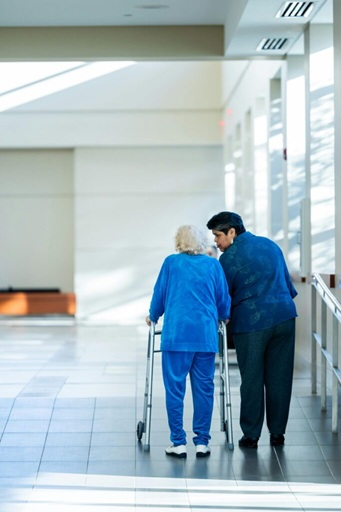
Falls are the leading cause of injury-related death in adults aged 65 and older. Proactive monitoring can significantly mitigate this risk.
- Real-Time Fall Detection and Response: Advanced video analytics can detect when a resident has fallen or remains immobile for an extended period in a common area, dining room, or hallway. Remote operators can instantly verify the incident and alert on-site nursing staff, resulting in faster response time. This is critical, as a delayed response significantly increases the severity of the injury and the resulting liability.
- Wander Management (Elopement Prevention): For residents with cognitive impairments, the service can create virtual geofences around secure exits, elevators, and facility perimeters. If a resident attempts to leave unauthorized, the remote operator is instantly alerted and can notify the nursing team before the resident exits the property, protecting the facility from catastrophic liability related to elopement.
- Discreet Oversight: Monitoring common areas provides vigilance without the intimidating presence of an overt security guard, preserving the facility’s calm, therapeutic atmosphere.
2. Regulatory Compliance and Liability Defense
Nursing homes are subject to intense scrutiny from state health departments and federal agencies (CMS). Documentation is key to survival.
- Irrefutable Incident Documentation: High-resolution, continuous video recording provides objective, time-stamped evidence of all interactions in common areas. This documentation is vital for defending against negligence claims, abuse accusations, or malpractice lawsuits, which can be devastating both financially and to reputation.
- Protocol Verification: Remote operators can audit staff compliance with high-risk protocols, such as medication storage, resident transfer procedures, and after-hours security checks, ensuring the facility adheres to mandated operational standards.
- Visitor and Vendor Monitoring: The service tracks and records all after-hours access, ensuring that only authorized personnel enter the facility, protecting residents and equipment from external threats.
3. Protection Against Internal Theft and Operational Loss
Nursing homes often contain high-value pharmaceuticals (especially narcotics) and expensive medical equipment, making them targets for both external and internal theft.
- Medication and Supply Storage Monitoring: Remote monitoring provides a continuous, auditable record of access to pharmaceutical lockboxes and high-value medical supplies, deterring employee theft and ensuring compliance with controlled substance regulations.
- Equipment Protection: Monitoring storage areas and loading docks helps prevent the theft of expensive equipment such as wheelchairs, diagnostic equipment, and commercial kitchen inventory.

The financial benefit of remote monitoring for nursing homes is centered on mitigating catastrophic liability claims and optimizing expensive, high-turnover human labor.
Cost Saving/Risk Area
Traditional On-Site Staff/Security Model
Professional Remote Monitoring Service
Estimated Annual Cost Savings & ROI
Liability Lawsuit Mitigation
High exposure; based on subjective staff testimony; high defense costs.
Lowered; irrefutable video evidence defeats frivolous claims and defends against serious lawsuits.
Prevents or successfully defends lawsuits which average $200,000 – $500,000 in legal fees and settlements.
Labor Cost Reduction (Overnight)
≈ $50,000 – $75,000 per year (for one dedicated overnight guard)
≈ $10,000 – $25,000 per year (Annual monitoring fee for common areas)
50% to 85% reduction in fixed security labor costs for general surveillance.
Fall/Injury Claim Reduction
Claims are costly; severity increases with delayed response.
Faster response time due to verified alerts minimizes injury severity and lowers settlement costs.
Reduces the frequency and average cost of injury claims, yielding thousands in annual savings.
Regulatory Fines
High; lapses in security protocol can lead to huge fines and loss of Medicare/Medicaid funding.
Near-zero; continuous, documented compliance for security protocols.
Avoids regulatory fines and protects the facility’s funding eligibility.
Insurance Premiums
High due to high-risk resident population and liability.
Lowered; demonstrably proactive safety measures can lead to lower liability insurance premiums.
Potential reduction of $5,000 – $15,000+ in annual premiums.
The most critical ROI comes from liability mitigation. Defending against one serious claim of negligence or abuse can cost a nursing home hundreds of thousands of dollars. The remote monitoring service provides a cost-effective, continuous digital witness to protect the facility from existential threats.
For nursing homes and assisted living facilities, professional remote monitoring is an essential investment in both care quality and financial stability. It provides an objective, technological safety net that significantly enhances resident protection (preventing elopement and minimizing fall severity) and delivers irrefutable evidence crucial for defending against high-stakes liability claims. By reducing the need for expensive security guards and safeguarding regulatory compliance, a service like EndOfTheft allows facilities to redirect their resources where they belong: providing compassionate, high-quality care.