
Restaurant Security & Operational Surveillance Monitoring
Restaurants, whether independent eateries or nationwide chains, constantly face shrinkage from dine and dash incidents, internal theft, and inventory loss. Traditional security reacts slowly, which is why proactive restaurant security monitoring is essential to protect profit margins and ensure patron safety.
Up to 75% of employees across industries admit to stealing from their employers at least once in their lives, and 39% of occupational fraud cases are perpetrated by managers.
A remote monitoring service like EndOfTheft turns store security from a passive cost into a proactive, cost-effective loss-prevention system, that addresses core threats to profit and safety.
1. Decisive Prevention of Internal Theft and Fraud
Internal theft, or “shrinkage,” is estimated to account for a significant portion of annual revenue loss in the restaurant industry. Remote monitoring provides necessary, non-intrusive oversight.
- Point-of-Sale (POS) Integration Audits: Remote services link video footage directly to POS transaction data. The system can flag and virtually audit high-risk activities instantly, such as:
- High Voids/Refunds: Reviewing video of every large or recurring void (canceled transactions) or refund to ensure the transaction was legitimate and not a method of stealing cash.
- No-Sale Key Usage: Monitoring whenever the cash drawer is opened without a sale being processed (using the ‘No Sale’ key), which is often used to steal from the till.
- Discounts/Comping: Verifying that staff are not giving unauthorized discounts or free items (‘comping’), sometimes called ‘sweethearting,’ to friends or family.
- Inventory and Liquor Control: Remote operators can conduct scheduled, virtual patrols (real-time video checks) of storerooms, walk-in coolers, and secure liquor storage areas. They do this after hours and during deliveries to prevent unauthorized access and document any inventory loss in high-value areas.


2. Proactive After-Hours Security and Deterrence
Restaurants are often prime targets for late-night intruders and walk-outs. Implementing continuous restaurant surveillance monitoring Boston ensures immediate response against asset theft, property damage, and active dine and dash prevention
- Live Audio Talk-Downs: After closing, AI video analytics detect movement or intrusion near doors, windows, and delivery bays. A remote operator can use two-way audio to issue a loud, personalized warning. The warning states that the premises are under surveillance and that police have been notified. This is a highly effective, immediate deterrent against break-ins and vandalism.
- Verified Priority Dispatch: When an alarm is triggered, a remote operator uses live video to confirm the threat, prompting police to treat it as a verified crime in progress. This triggers a faster response and increases the likelihood of catching suspects and protecting property.
- Backdoor and Delivery Bay Control: Remote monitoring enforces security protocols at delivery bays and backdoors, ensuring these common entry points are secured immediately after use.
3. Operational Compliance and Liability Reduction
Remote monitoring helps enforce operational rules and reduces liability, which is critical in a public-facing, high-risk environment.
- Safety and Maintenance Audits: Operators can verify that staff are following closing checklists, such as properly securing doors, turning off fryers and grills, and clearing potential fire hazards. They can also spot and report immediate liabilities, such as spills in dining areas or uncleared snow/ice outside.
- False Alarm Elimination: Relying on simple motion alarms leads to costly, recurring fines from municipalities. Remote verification drastically reduces these false dispatches, saving the restaurant owner money and maintaining a good relationship with first responders.
- High-Risk Area Focus: Remote teams conduct virtual patrols across high-risk zones, providing live kitchen operational monitoring MA, bar oversight, and parking lot safety checks to enforce compliance and eliminate operational liabilities.
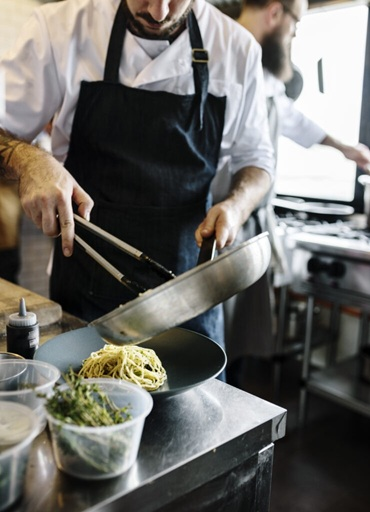
The financial savings from remote monitoring are achieved by reducing costly security labor and, more importantly, by aggressively targeting the high rate of internal and external losses that erode the restaurant’s tight profit margins.
| Cost Saving/Risk Area | Traditional Model (Physical Guards/Basic Alarms) | Professional Remote Monitoring Service | Estimated Annual Cost Savings & ROI |
|---|---|---|---|
| 24/7 Personnel Labor | ≈ $150,000 – $220,000 per year (for 3-4 guards) | ≈ $10,000 – $30,000 per year (Annual monitoring fee) | 65% to 90% reduction in fixed security labor costs. |
| Internal Theft & Fraud (Shrink) | High; often up to 4% of sales; requires management time to investigate after the fact. | Lowered; proactive virtual audits and POS verification deter 30% to 50% of internal fraud. | Prevents tens of thousands of dollars in annual losses from cash skimming, unauthorized comps, and inventory theft. |
| External Theft Loss | Reactive; costly repair and inventory replacement after the fact. | Proactive; live talk-downs prevent 90% of attempted break-ins. | Avoids single-incident costs that can exceed $5,000 – $15,000 in damage, stolen cash, and alcohol/equipment. |
| False Alarm Fines | High; frequent non-threat alarms lead to municipal fines. | Near-zero; video verification prevents unnecessary police dispatch. | Eliminates recurring fines, which can be thousands of dollars annually, and preserves police relations. |
Preventing a single instance of internal fraud or an after-hours burglary often covers the cost of remote monitoring. Lower labor and less shrinkage mean a direct profit boost.
For restaurant owners and operators, professional remote monitoring is an indispensable tool for protecting both their physical property and their delicate profit margins. It moves beyond passive recording to provide active, intelligent deterrence against burglary and vandalism, while offering a critical layer of internal auditing for cash and inventory. By leveraging technology to cut security labor costs and aggressively reduce shrinkage, a service like EndOfTheft delivers superior security and operational oversight at a fraction of the cost of traditional methods, making it the most innovative loss prevention strategy available.