
Stop Intruders Live: Proactive, Verified Remote Monitoring for Ultimate Stadium Protection
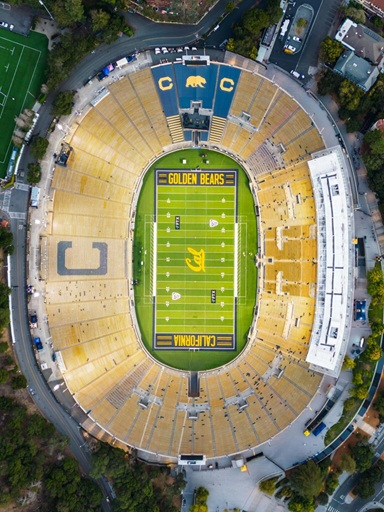
Stadiums are complex, massive facilities that operate in two distinct modes: the high-density event mode (massive crowds, high risk of crowd violence, terrorism, and theft) and the extended off-peak mode (empty, high risk of vandalism, internal theft, and large-scale break-ins). Traditional security solutions often fail to manage this duality cost-effectively.
Hiring a specialized professional remote monitoring service, such as EndOfTheft, provides a proactive, scalable, and intelligent security layer that drastically reduces risk and cuts operational costs far more effectively than relying solely on on-site guards.
1. Proactive, Real-Time Crime Deterrence
During the long off-peak hours (nights and non-event days), a stadium is a large, high-value target for sophisticated criminals, vandals, and trespassers.
- Live Audio Talk-Down: Remote monitoring personnel use AI-powered video analytics to detect unauthorized activity on the vast perimeter, parking lots, and loading docks before entry is gained. Operators can then use two-way audio to issue a real-time verbal warning, stating, “You are trespassing, you are being recorded, and police have been dispatched.” This high-impact, immediate intervention deters over 90% of criminal activity, turning a potential theft into a non-event.
- Verified Priority Dispatch: Unlike an unverified alarm that police often treat as low-priority, the remote operator provides live video verification of the threat to law enforcement. This ensures a faster, priority response, which is critical for a large-scale venue where response time is measured in millions of dollars of potential loss.

2. Enhanced Operational Control & Risk Mitigation
The scope of a stadium’s operations is too large for any single guard to cover effectively, especially for compliance and high-risk areas.
Targeted Surveillance of High-Value Assets: Remote teams can patrol high-risk areas virtually, including luxury suites, cash rooms, retail stores, equipment storage areas, and data centers. They can monitor key staff activities and verify high-value deliveries or maintenance access during off-hours.
Parking Lot and Perimeter Security: Stadium parking lots are prime locations for property crime (vehicle theft) and assaults. Remote monitoring systems, often using mobile surveillance units, provide a high-visibility deterrent and complete, documented coverage for these expansive areas, which are usually the first and last points of interaction for patrons.
- Vandalism and Damage Prevention: Stadiums face constant risk of vandalism and graffiti during downtimes. Remote surveillance prevents costly repairs by intervening early.
3. Critical Support for Event Security & Crowd Control
Even with hundreds of on-site guards during an event, the remote service provides an invaluable, unblinking oversight layer.
- Crowd Flow Management and Analytics: AI tools that can be monitored remotely can track crowd density and flow at entrances, exits, and concession areas to identify and preempt dangerous bottlenecks or potential stampedes before they become critical safety issues.
- Behavioral Anomaly Detection: Systems can flag unusual or aggressive behavior (e.g., fighting, throwing objects, entering restricted zones) for immediate review by a human operator, directing on-site staff to the threat’s location.
- Post-Incident Investigation: High-definition, thoroughly archived footage ensures detailed evidence is available for investigating and prosecuting fan violence, theft, or terrorism-related incidents, reducing liability exposure.
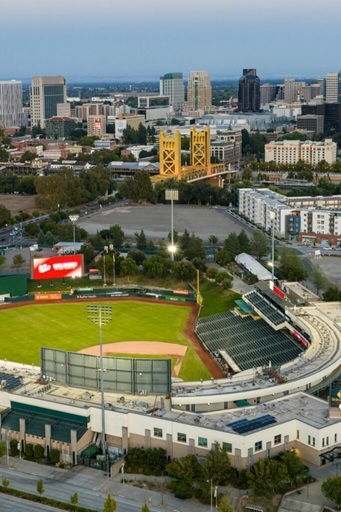
The core financial benefit of remote monitoring for stadiums lies in replacing the high, fixed labor costs of 24/7 on-site guards with a more affordable, more effective, and technologically superior solution.
Cost Component/Risk Area
Traditional On-Site Guard Model
Professional Remote Monitoring Model
Estimated Cost Savings & ROI
24/7 Personnel Cost
~$150,000 – $300,000+ per year (per guard position/multiple guards needed for a stadium)
Fixed monthly fee for 24/7 monitoring (A fraction of one guard’s salary)
40% to 70% reduction in annual fixed security labor costs, while maintaining or improving coverage.
Loss from Theft/Vandalism (Off-Peak)
Reactive (guard may be in the wrong place, fatigued, or outnumbered).
Proactive Deterrence (Live Talk-Down stops criminals before property damage or theft occurs).
Averted Losses can be significant. One break-in can cost tens of thousands of dollars in stolen goods, equipment, and repair costs.
False Alarm Fines
High (basic alarms easily triggered by wind/animals/staff error).
Low (trained operators video-verify every alarm before police dispatch).
Eliminates recurring municipal fines for false alarms, which can be thousands of dollars annually.
Insurance Premiums & Liability
Moderate to High (due to human error, liability, and limited documentation).
Lowered (due to high-quality documentation, verified alarms, and proactive deterrence).
Potential reduction in liability insurance premiums as a result of demonstrable, enhanced security protocols.
Based on industry data, organizations that switch from a guard-only model to a remote monitoring/hybrid model often reduce their security labor budgets by 40% to 70%. For a large stadium requiring coverage 24 hours a day, 365 days a year, this can translate into hundreds of thousands of dollars in annual savings while simultaneously increasing the effectiveness of security protocols, especially during vulnerable non-event hours.
For stadium management, investing in a professional remote monitoring service like EndOfTheft is a move from costly, reactive security to intelligent, proactive risk management. The service provides continuous, fatigue-free oversight of a massive campus, leveraging AI and human verification to stop crime in real time and manage complex crowd-safety issues. The substantial cost savings from replacing or reducing expensive on-site guard hours ensure a high return on investment (ROI). Ultimately, this modern approach safeguards the stadium’s assets, its reputation, and most importantly, the safety of its staff and millions of patrons.