
Warehouse Security Monitoring Best Practices: Protecting Inventory, Employees, and Daily Operations
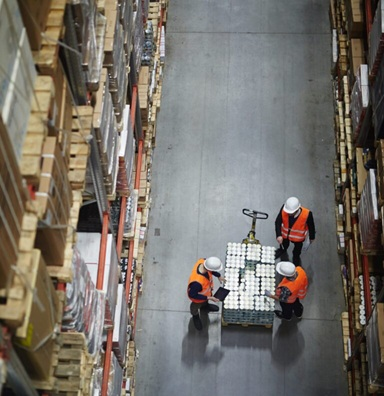
For logistics managers, supply chain directors, and facility operators, a commercial warehouse is far more than a simple storage building. It is a high-traffic operational hub where millions of dollars in inventory, heavy industrial machinery, complex logistical workflows, and hundreds of human shifts intersect every day.
Because of this constant activity, maintaining comprehensive site visibility is a significant operational challenge. Protecting an industrial supply chain requires moving beyond basic, reactive security measures. To keep operations moving smoothly, facilities must adopt a proactive strategy. Implementing industry-standard warehouse security monitoring best practices shields your bottom line from cargo diversion, operational bottlenecks, and structural liabilities before they impact your delivery schedules.
Why Warehouse Security Requires a Different Approach
Securing a large-scale distribution center or industrial warehouse requires a completely different strategy than protecting a standard retail storefront or corporate office suite. The physical layout and daily operational workflows of a logistics hub introduce distinct security challenges:
- Expansive Physical Footprints: Sprawling floor plans, high racking systems, and detached outdoor trailer yards create vast spaces that are difficult to supervise from a single vantage point.
- Multiple Ingress and Egress Points: Continuous traffic moving through main entrance gates, fire exits, employee doors, and secondary delivery pathways creates frequent vulnerabilities.
- Active Loading Docks: The constant opening and closing of large bay doors creates a high-risk environment where inventory is exposed to the elements and unauthorized personnel.
- High-Value, Liquid Assets: Storing bulk consumer electronics, specialized machinery components, or building materials makes warehouses prime targets for organized cargo theft networks.
- Complex Personnel Ecosystems: Managing a rotating daily mix of full-time employees, temporary shift laborers, third-party logistics (3PL) drivers, and delivery contractors complicates access control.
- Heavy Industrial Traffic: The constant movement of freight trucks, yard dogs, and forklifts requires strict spatial management to protect personnel and avoid property damage.
Common Security Risks in Modern Warehouses
Identifying the precise operational vulnerabilities within your supply chain is the first step toward building an effective defense framework.
Cargo Theft and External Intrusion
Organized criminal rings frequently target distribution hubs, looking for vulnerabilities in perimeter fencing or unlit trailer yards. External theft often involves breaking into parked trailers overnight or exploiting unsecured secondary access points during shift changes.
Employee Theft and Inventory Shrinkage
Internal inventory shrinkage remains a significant drain on warehouse profitability. Without continuous internal tracking, small-scale item diversion can occur systematically over time within dark racking aisles or trash disposal areas, adding up to major financial losses by year-end.
Unauthorized Access
In busy facilities without strict entry barriers, it is easy for unauthorized visitors, delivery drivers, or unverified contractors to wander away from designated waiting zones and enter high-value inventory vaults or active industrial work zones.
Loading Dock Vulnerabilities
The loading dock is the primary transition point for inventory, making it highly vulnerable to losses. Without clear visual logging, tracking inventory discrepancies becomes difficult. It is hard to determine whether missing cargo was shorted at the origin facility, miscounted during receiving, or diverted directly from the staging floor.
After-Hours Activity
Logistics properties face elevated risks when regular daytime shifts end. Unlit outdoor equipment yards, dark staging bays, and unmonitored perimeters are highly vulnerable to trespassers, scrap metal thieves, and copper scavengers during weekends and holiday shutdowns.
Safety Hazards and Liability Claims
Beyond intentional crime, warehouses face constant risks from workplace accidents. Unmarked forklift near-misses, blocked fire lanes, improper pallet stacking, and unverified slip-and-fall incidents can disrupt operations and lead to costly workers’ compensation claims if not properly documented.
Warehouse Security Monitoring Best Practices
Deploying a professional defense strategy means structuring your technology, workflows, and personnel into a reliable, multi-layered protective network.
1. Secure Every Entry and Exit Point
Every physical entry point requires strict access management. Pair electronic access badges with high-definition cameras at all personnel doors, emergency exits, and main office entryways to create an indisputable digital log of every individual entering or leaving the building.
2. Monitor Loading Docks Continuously
Position high-resolution, weather-resistant security cameras directly over every active loading bay door. Ensure the camera angle captures the trailer license plate, the physical container seal before it is broken, and the active staging floor during the entire loading and unloading process.
3. Protect High-Value Inventory Zones
Isolate high-turnover cargo, premium electronics, or regulated inventory inside dedicated cages or restricted-access vaults. Focus dedicated camera coverage on these zones 24/7, ensuring that every interaction with top-tier assets is recorded with clear detail.
4. Monitor Active Assets After Business Hours
Most major property crimes occur when a facility is closed. Ensure your security framework includes active monitoring protocols during nights, weekends, and holiday breaks. Utilizing professional, off-site monitoring specialists to watch your live streams overnight provides an unblinking defense when your internal team is off-duty.
5. Systematically Reduce Spatial Blind Spots
Regularly evaluate your facility’s camera layout to ensure your views aren’t blocked by new high-density racking installations, temporary pallet staging areas, or large machinery. Pay close attention to secondary corridors, battery charging stations, and dark perimeter fence lines.
6. Use Existing Security Cameras Effectively
You do not necessarily need to invest in an entirely new hardware suite to upgrade your facility’s protection. By utilizing secure network bridging software, companies can link their current IP or CCTV camera grids directly to responsive off-site monitoring dashboards, maximizing past technology investments.
Want to learn how this connection works? Read our foundational guide: What Is Remote Video Monitoring? to see how your existing hardware can be integrated into a proactive defense network.
7. Review Incidents Quickly via Digital Logs
When an inventory discrepancy or workplace accident occurs, waiting days to review graining footage hampers resolution. Implement a standardized review process that leverages clear, time-stamped digital video logs to quickly identify the root cause of an incident within minutes.
8. Combine Technology With Live Human Verification
Relying entirely on passive recording systems only provides documentation after a loss has occurred. The most resilient warehouse defense systems combine intelligent camera analytics with live human monitoring specialists. This setup allows trained operators to verify threats in real time and initiate immediate deterrent actions before a break-in escalates.
Evaluating your deployment options? Compare the pros and cons of physical guards versus live surveillance by reading: Remote Video Monitoring vs. Security Guards.
How Remote Monitoring Improves Warehouse Operations
While the primary goal of professional surveillance is loss prevention, an active remote tracking system also provides meaningful operational insights that help plant managers optimize daily workflows.
- Complete Perimeter Visibility: Management gains an organized, multi-screen view of the entire facility footprint—from distant trailer parking lots to internal staging grids—without needing to leave the central office.
- Accurate Delivery Verification: Live camera feeds allow logistics teams to verify shipping container status, check incoming carrier arrivals, and confirm that delivery trailers are backed cleanly into assigned bays.
- Proactive Vendor Supervision: Monitoring arrival and departure patterns helps managers track third-party freight delays, confirm specialized service completions, and verify that external delivery drivers follow site guidelines.
- Consistent Employee Accountability: Visible, well-placed cameras encourage shift teams to maintain high productivity, follow standard operating procedures, and use proper safety gear across all active zones.
- Real-Time Workflow Monitoring: Supervisors can quickly spot operational friction points—such as forklift bottlenecks at staging bays, blocked aisles, or slow cargo flows—and reassign personnel to keep operations moving efficiently.
Common Warehouse Security Mistakes to Avoid
Many facility operators unknowingly leave their operations vulnerable by falling into common security management traps:
- Recording Without Active Eyes: Installing dozens of high-definition cameras but leaving the screens unmonitored creates a passive system. Recording crime onto a hard drive only helps you investigate a loss after your inventory is already gone.
- Poor Camera Placement and Angles: Positioning cameras too high, leaving lenses obscured by dust from inventory movement, or failing to adjust angles around shifting pallet rows creates blind spots that intruders can easily exploit.
- Leaving Loading Docks Unsecured: Keeping bay doors open for ventilation during shift gaps without dedicated visual coverage allows unverified visitors to enter the facility easily.
- Neglecting After-Hours Supervision: Assuming that basic padlocks and standard perimeter fencing are enough to protect valuable exterior trailer yards over long holiday weekends or extended shutdowns.
- Lacking a Standard Incident Review Process: Failing to regularly audit camera uptime, check image clarity, or establish clear protocols for pulling video logs makes it difficult to retrieve actionable evidence when an event occurs.
Choosing the Right Warehouse Monitoring Solution
When designing a customized protection strategy for your distribution or fulfillment center, avoid generic, pre-packaged security setups. Instead, collaborate with experienced security technicians to audit these six core operational variables:
| Facility Metric | Critical Security Considerations |
|---|---|
| Property Size & Layout | Total warehouse square footage, racking configurations, and the size of outdoor trailer parking zones. |
| Camera Infrastructure | The number of active cameras required to maintain complete coverage across all high-risk zones. |
| Active Monitoring Hours | Defining whether your site requires targeted overnight surveillance or continuous 24/7 live tracking. |
| Loading Dock Volume | The total number of operational bay doors and the typical frequency of daily inbound and outbound shipments. |
| Inventory Value Tier | Identifying special handling zones, bulk electronics cages, or high-value cargo vaults that require extra protection. |
| Existing CCTV Compatibility | Reviewing your current IP, analog, or digital camera wiring to plan a seamless integration via secure network bridges. |
Why Massachusetts Warehouses Are Investing in Remote Monitoring
From high-density urban logistics centers to major distribution corridors across the state, Massachusetts warehouse operations face fast-paced supply chain demands. EndOfTheft provides localized, responsive security surveillance tracking designed to safeguard valuable commercial inventory across the diverse industrial hubs of the Commonwealth.
Our remote monitoring infrastructure protects major distribution networks and industrial properties across key regional transport zones:
- Securing high-value freight hubs, urban distribution points, and port-adjacent facilities in Boston.
- Monitoring major distribution centers, manufacturing facilities, and cross-dock operations in Worcester.
- Protecting extensive commercial storage complexes, freight lanes, and shipping bays in Springfield.
- Safeguarding specialized technical storage spaces, lab logistics, and high-security offices in Cambridge.
- Mitigating trespass risks, property damage, and scrap theft in industrial zones throughout Lynn.
By understanding the unique logistics challenges and regulatory landscapes of these distinct municipalities, we help you deploy a security strategy that protects your inventory without disrupting your daily workflows.
Frequently Asked Questions
1. How can warehouses effectively reduce cargo theft?
The most reliable way to prevent cargo theft is by pairing clear physical barriers with active surveillance. Using intelligent analytics cameras to track fence lines and loading docks allows off-site specialists to spot intruders early, issue live audio warnings, and coordinate fast local authority dispatches before assets can be taken.
2. What specific areas should every commercial warehouse monitor?
At a minimum, every distribution center should maintain dedicated camera coverage over all active loading docks, high-value inventory cages, personnel access doors, perimeter fence lines, and vehicle entry gates.
3. Can our facility integrate our existing security cameras into a live monitoring plan?
Yes. One of the main operational benefits of working with EndOfTheft is the ability to leverage your current hardware. Using secure network bridging software, we can connect standard IP, CCTV, or analog camera grids straight to our central monitoring center, saving you from expensive new equipment costs.
4. Is professional remote monitoring available for overnight and weekend shifts?
Yes. Monitoring plans are fully customizable to align with your operation’s schedule. You can set the monitoring center to take active visual control exclusively during overnight vacancies, over weekend closures, or maintain continuous 24/7 oversight for high-risk spaces.
5. How does remote monitoring support operational efficiency in a distribution center?
Beyond basic theft prevention, live monitoring gives plant managers valuable visibility into daily operations. It allows you to monitor safety compliance, track truck staging patterns, verify delivery arrivals, and quickly identify workflow bottlenecks in real time.
Final Thoughts
Protecting a modern commercial warehouse requires a security strategy that is as dynamic as your daily logistical workflows. Relying on passive recording systems leaves your supply chain vulnerable to unaddressed losses, while standalone physical guards can be limited by blind spots across wide acreage. By implementing consistent monitoring best practices and focusing your security strategy on real-time threat verification, you protect your inventory, support your workforce, and keep your daily operations running smoothly.
Schedule a Free Warehouse Security Assessment
Ready to optimize your facility’s loss prevention strategy and improve site visibility? Contact our technical security team today to schedule a comprehensive, no-obligation property assessment. We will analyze your layout, review your current camera configuration, and help you design an efficient warehouse defense plan built for your specific operational needs.