
Live Parking Lot & Parking Garage Surveillance Monitoring : Beyond the Gate
Parking garages and surface lots are critical infrastructure areas that represent a unique convergence of security risks. They are highly susceptible to vehicle crime (theft, break-ins, catalytic converter theft), vandalism, trespassing, and personal safety incidents (assault, robbery). For owners and operators—including municipalities, hospitals, airports, and commercial property managers—these areas generate massive liability exposure and require round-the-clock vigilance.
Relying on inadequate lighting, simple passive CCTV, or sporadic human patrols is reactive, ineffective, and expensive. Hiring a specialized professional remote monitoring service, such as EndOfTheft, transforms the security structure into an intelligent, proactive, and highly cost-efficient defense system for parking lot surveillance monitoring and parking lot camera monitoring MA.
1. Proactive Deterrence & Parking Garage Security Monitoring Boston
The primary function of monitoring is to stop the high-frequency, high-cost crimes that plague parking facilities.
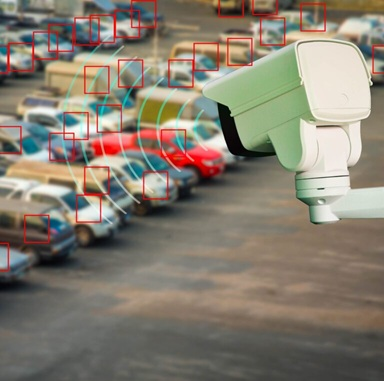
- Live Audio Talk-Downs and Intrusion Detection: Remote monitoring uses advanced AI video analytics to establish virtual tripwires around vehicles, entry points, and storage areas. When suspicious activity (e.g., individuals loitering near cars, tampering with payment machines, or attempting catalytic converter theft) is detected, the operator instantly issues a loud, personalized verbal warning (e.g., “Attention! Security is monitoring you. Leave the premises immediately.”). This real-time intervention is highly effective at deterring crime before damage or theft occurs.
- Stopping Catalytic Converter Theft (CC Theft): CC theft is a major, fast-growing headache. Remote systems can be calibrated to focus on the undercarriage area of vehicles, detecting and deterring thieves who rely on speed and lack of visibility.
- Vandalism and Trespassing Prevention: Proactive intervention prevents costly vandalism (graffiti, broken windows, equipment damage) and deters loitering, which often precedes more serious crime.
2. Critical Liability, Personal Safety, & Theft Prevention
Parking facilities, especially poorly lit or isolated areas, are high-risk zones for assault, injury, and premises liability claims.
- “Guardian Angel” Patrols and Safety Checks: Remote operators can conduct continuous, detailed virtual patrols of stairwells, elevators, and isolated corners. They can be tasked with checking on individuals walking alone late at night, ensuring they safely reach their vehicles, and providing a verifiable layer of personal safety.
- Irrefutable Documentation: High-resolution video provides continuous, objective documentation of all incidents, including vehicle damage, assaults, and most importantly, slip-and-falls. This footage is the most critical tool for defending against expensive premises liability lawsuits.
- Hazard Detection: Operators can immediately spot and report non-security hazards, such as spills (oil, water), lighting failures, or broken signage, to maintenance staff, proactively reducing the risk of injury and liability.
3. Cost-Effective Security Labor Optimization
The cost of maintaining a 24/7 human security force for a sprawling parking structure or lot is exceptionally high.
- Security Force Multiplier: Remote monitoring replaces the need for expensive, static human guards in all but the highest-traffic areas. The service provides superior, fatigue-free surveillance for a fraction of the cost, making the security budget dramatically more efficient.
- Eliminating False Alarms: Parking garage alarms are often triggered by weather, animals, or normal vehicular movement. Remote human verification of alarms eliminates false police dispatches, saving money on municipal fines and preserving law enforcement efficiency.
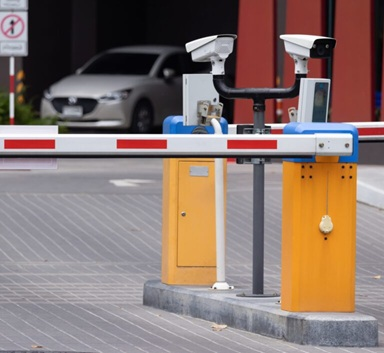
- Access and Revenue Control: Remote operators can verify that only authorized vehicles and personnel enter restricted areas (e.g., permit parking, service areas) and can monitor payment machine activity to deter fraud or tampering.
The financial case is based on replacing high-cost human labor and mitigating the two most significant financial risks: vehicle crime and premises liability lawsuits.
| Cost Saving/Risk Area | Traditional On-Site Guard Model | Professional Remote Monitoring Service | Estimated Annual Cost Savings & ROI |
|---|---|---|---|
| Security Labor Cost (24/7) | ≈ $150,000 – $220,000 per year (for a single 24/7 static guard post) | ≈ $15,000 – $40,000 per year (Annual monitoring fee for a facility) | 70% to 90% reduction in fixed security labor costs, optimizing operations. |
| Vehicle Theft/Break-in Loss | High risk; average loss per break-in is $1,000+, plus window repair. | Low; Live Talk-Down deters crime instantly. Vehicle crime reduced by 60% – 90%. | Avoids tens of thousands of dollars in annual insurance deductibles, claims, and damage repairs. |
| Catalytic Converter Theft | High, recurring parts/labor cost. | Lowered; proactive detection and deterrence of undercarriage activity. | Prevents multiple theft incidents which can total $5,000 – $15,000 annually in replacement costs. |
| Public Liability Lawsuits | High risk; lack of immediate hazard detection; high defense costs. | Lowered; proactive hazard spotting and irrefutable video evidence. | Prevents or successfully defends lawsuits that cost tens to hundreds of thousands of dollars in legal fees. |
| Insurance Premiums/Deductibles | High claims history due to theft/vandalism leads to high premiums. | Lowered; demonstrable, proactive security lowers risk profile. | Potential reduction of $5,000 – $15,000+ in annual insurance costs. |
The return on investment (ROI) is achieved quickly: preventing just one serious assault or defending against one major slip-and-fall lawsuit easily covers the entire annual cost of the remote monitoring service, while providing superior, continuous protection.
For parking garage and lot operators, professional remote monitoring is the modern, necessary solution for high-risk property management. It provides a level of proactive, centralized deterrence and continuous, objective documentation, which are crucial for safeguarding patrons and assets. By dramatically reducing dependence on costly human guards and effectively mitigating high-stakes vehicle crime and personal safety liability, a service like endoftheft allows operators to run a safer, more efficient, and significantly more profitable facility.