
What Is Remote Video Monitoring? A Complete Guide for Massachusetts Businesses
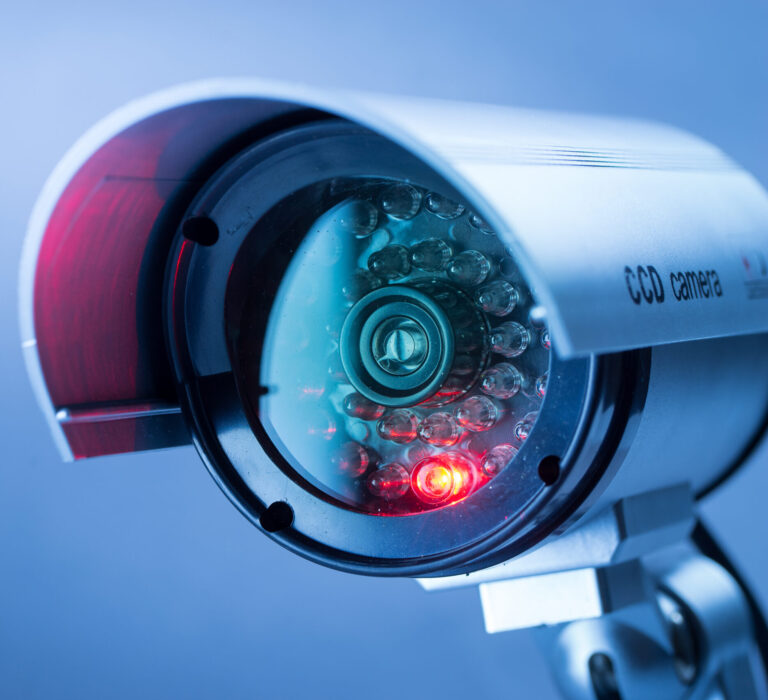
Every business owner or property manager in Massachusetts shares a common goal: protecting assets, ensuring safety, and keeping operations running smoothly. You likely already have a security camera system installed at your property. But ask yourself an honest question: What are those cameras actually doing right now?
For the vast majority of commercial properties, standard CCTV cameras act as passive recorders. They capture footage of a break-in, vandalism, or employee misconduct, but you only discover the incident the next morning. By then, the damage is done, the assets are gone, and you are left handing grainy footage to the police.
This is where remote video monitoring completely changes the security landscape. Instead of looking backward at a crime that has already occurred, this strategy transforms your security camera monitoring setup into an active, real-time crime prevention network. In this complete guide, you will learn exactly what remote video monitoring is, how it leverages your existing infrastructure, and how it protects your business bottom line across Massachusetts.
What Is Remote Video Monitoring?
At its core, remote video monitoring (frequently called remote surveillance monitoring or live camera monitoring) is a security service where professional, off-site surveillance specialists actively view your live security camera feeds in real time.
Instead of relying on a stagnant system that just records data to a local hard drive, your camera feeds are securely streamed over the internet to a central monitoring facility. Trained operators manage these feeds during your high-risk hours—such as overnight, weekends, or even 24/7—utilizing sophisticated software to spot unauthorized movement, analyze behaviors, and intervene the exact second a threat is detected.
The Critical Difference: CCTV Recording vs. Live Monitoring
Understanding the distinction between traditional setups and live remote monitoring is vital for making an informed security investment.
- CCTV Recording (Passive Security): This approach records video locally to a Digital Video Recorder (DVR) or Network Video Recorder (NVR). It is entirely reactive. It does nothing to stop an active criminal; it merely provides a historical record of the event for insurance claims or law enforcement investigations after the fact.
- Live Monitoring (Proactive Security): This approach introduces live human intelligence into the loop. Surveillance operators view live feeds to spot suspicious behaviors before a crime occurs. By intervening immediately, it prevents losses, eliminates structural damage, and stops trespassers in their tracks.
How Remote Video Monitoring Works
Implementing professional live remote monitoring does not require a complex overhaul. The entire process functions as a seamless, tech-driven loop built around human verification and decisive action.
Connect Existing Cameras
Step 1: IntegrationYour current CCTV or IP security camera monitoring system is securely linked to the remote monitoring center via software protocols. There is typically no need to purchase expensive new hardware or rip out existing wiring.
Live Human Monitoring
Step 2: VigilanceDuring your designated monitoring windows (such as after-hours or holiday weekends), trained security specialists keep watch over your feeds. Advanced video analytics run alongside the operators, highlighting unusual motion or boundary breaches instantly on their control dashboard.
Threat Verification
Step 3: AnalysisThe moment an alert triggers, an operator immediately reviews the live feed. They quickly determine if the movement is a false alarm (like a stray animal or blowing debris) or a legitimate threat (like a trespasser cutting a perimeter fence).
Response Actions
Step 4: InterventionIf a real threat is verified, EndOfTheft takes immediate action based on your specific security plan. This includes broadcasting live, customized "voice-down" audio warnings through your property's public address speakers, deploying local on-site physical security guards, or directly notifying Massachusetts law enforcement.
What Can Remote Video Monitoring Detect?
A modern commercial video monitoring service goes far beyond standard gatekeeping. Because trained human eyes are reviewing your video feeds, the system detects a vast array of criminal, environmental, and operational issues in real time:
- Theft: Active shoplifting, inventory removal from loading docks, or unauthorized asset moving.
- Vandalism: Property defacement, graffiti, window smashing, or destruction of outdoor equipment.
- Trespassing: Intruders scaling fences, entering construction sites, or loitering in private lots after hours.
- Employee Safety Issues: Workers failing to wear proper safety gear, operating equipment unsafely, or working alone in high-risk environments during late-night shifts.
- Loitering: Individuals blocking retail entryways, sleeping in ATM vestibules, or gathering near property perimeters.
- Unauthorized Access: Individuals sneaking through tailgating doors, entering master server rooms, or bypassing biometric locks.
- Delivery Verification: Tracking exactly when cargo trucks arrive, ensuring the correct bays are utilized, and documenting the physical condition of goods.
- Inventory Movement: Keeping eyes on high-value items inside storage yards or warehouses to avoid internal shrinkage.
- Restricted Area Access: Alerting management if unauthorized personnel step into pharmaceutical storage, cannabis vaults, or secure financial spaces.
- Operational Issues: Spotting workflow bottlenecks, blocked fire exits, open freezer doors, or un-emptied waste bins that present safety hazards.
Who Benefits Most?
Different industries face distinct security threats. Here is how specialized commercial video monitoring solves specific vulnerabilities across various sectors:
Retail Stores
Shoplifting, organized retail crime, and internal cash register shrinkage can devastate profit margins. Live camera monitoring provides continuous oversight of sales floors, cash wraps, and backrooms, deterring bad behavior and preserving inventory.
Explore our comprehensive Retail Stores Security Services.
Warehouses
Large distribution spaces, cargo bays, and outdoor logistics yards are prime targets for high-value theft. Monitoring ensures secure loading docks, monitors inventory movement, and verifies overnight cargo trucks seamlessly.
Optimize your facility with Warehouse Surveillance Solutions.
Property Management
Apartment complexes, multi-family housing units, and commercial buildings struggle with structural vandalism, broken gates, and tenant safety issues. Remote monitoring secures common areas, laundry rooms, and perimeters.
Secure your properties via Property Management Monitoring.
Restaurants
From late-night bar environments to high-turnover fast-food spots, restaurants face internal till loss, food safety violations, and rowdy patrons. Live tracking protects your staff and monitors operational compliance.
Secure your business with Restaurant Monitoring.
Parking Lots
Dark, open parking garages and outdoor lots are frequent scenes for car break-ins, catalytic converter thefts, and premises liability claims. Live monitoring deters loiterers and tracks vehicle incidents as they occur.
Secure your properties via Parking Lot Monitoring.
Hotels
Protecting guests, securing remote entry points, and monitoring expansive hallways or resort amenities requires extensive coverage. Remote teams augment your front desk staff by monitoring vulnerable building zones around the clock.
Find out more with our Hotel Monitoring.
Banks
Financial institutions require maximum security parameters. Real-time video integration keeps a watchful eye on ATM kiosks, exterior drop-boxes, and restricted employee vaults to mitigate robbery risks.
Cannabis Facilities
Strict state regulations require airtight security compliance, multi-angle camera views, and flawless logging. Specialized remote monitoring satisfies state mandates by tracking grow rooms, drying bays, and retail dispensaries meticulously.
Key Benefits of Remote Video Monitoring
Investing in professional live remote monitoring changes your business security posture from defensive to offensive, providing measurable operational and financial returns.
Prevent Theft
Because operators catch suspicious activity before entry points are breached, theft is dramatically minimized. Verbal live warnings over loud-speakers inform criminals that they are being watched by a live person, causing most to flee the scene immediately before stealing a single item.
Reduce Security Costs
Hiring multiple on-site physical security guards to cover every square foot of an expansive facility 24/7 is incredibly costly. Replacing or augmenting static guard posts with remote surveillance monitoring cuts security payroll dramatically while maximizing the surface area watched.
24/7 Oversight
Human guards get fatigued, take breaks, and suffer from limited field-of-vision blind spots. Remote monitoring platforms never blink, sleep, or leave their posts. They provide unyielding, multi-camera tracking across your entire geographic site simultaneously.
Better Operations
The utility extends well beyond traditional security. Business owners use monitoring data to optimize staff performance, confirm employee shift times, check if safety protocols are followed, and audit workflow inefficiencies across multiple commercial branches.
Faster Incident Response
When a traditional alarm goes off, police departments often deprioritize it due to high local false alarm rates. When EndOfTheft calls dispatch to report a live-verified crime in progress, emergency responders treat it with top priority, resulting in faster on-scene arrival.
Remote Video Monitoring vs. Traditional Security
| Security Feature | Traditional CCTV Cameras | On-Site Security Guards | Remote Video Monitoring |
|---|---|---|---|
| Operational Stance | Passive: Records incidents for post-event review. | Physical: Limited by a single guard’s line of sight. | Proactive: Watches multiple angles simultaneously in real time. |
| Financial Investment | Low direct cost, but offers zero active protection. | High ongoing payroll, benefits, and administrative costs. | High ROI; provides expansive coverage at a fraction of guard costs. |
| Crime Prevention | None. It only documents the loss. | Moderate. Deters crime locally where the guard stands. | High. Intervenes instantly via live audio or coordinated guard dispatch. |
Can You Use Your Existing Cameras?
The short answer is yes. One of the core pillars of the EndOfTheft service model is maximizing your past security investments.
You do not need to purchase a brand-new suite of expensive proprietary cameras or rewire your entire commercial building. Whether your business utilizes an enterprise IP network, a standard closed-circuit CCTV setup, or a mixed analog infrastructure, modern bridging technology allows our central monitoring specialist team to stream your existing video feeds directly to our dashboards. This eliminates steep upfront hardware costs and simplifies your transition to proactive security.
Why Massachusetts Businesses Choose Remote Video Monitoring
From urban centers to industrial hubs, Massachusetts businesses operate under complex environments. EndOfTheft provides localized, responsive security oversight tailored to regional compliance and architectural layouts.
Our team naturally extends its coverage across key metropolitan zones:
- Securing commercial store fronts and high-density retail districts in Boston.
- Monitoring expansive industrial complexes, shipping yards, and warehouses in Worcester.
- Protecting large multi-family property developments and commercial spaces in Springfield.
- Overseeing high-tech workspaces, offices, and restricted testing facilities in Cambridge.
- Mitigating theft, loitering, and transit property vulnerabilities in Lynn.
By integrating local geographic knowledge with state-of-the-art surveillance platforms, we deliver real protection without cluttering your operations or using generic, out-of-touch strategies.
Frequently Asked Questions
1. Does remote video monitoring mean someone is watching my cameras 24/7?
Monitoring can be fully customized based on your business operations. While some clients choose 24/7 coverage for high-risk zones, most choose after-hours monitoring—meaning our specialists take over the feed the moment your business closes for the evening, throughout weekends, and during holidays.
2. What happens if the internet goes down at my facility?
We deploy robust fallback systems. Many corporate setups utilize dual-internet lines or cellular backup routers. If a primary internet connection drops, the backup line immediately kicks in, keeping your live video feed connected to our center without security gaps.
3. How do your operators communicate with intruders on our property?
If an operator identifies a trespasser, they use a built-in public address audio system linked to your site speakers. They deliver a live, direct verbal command—such as “To the individual in the black jacket near Bay 3, you are trespassing on private property. The police have been notified. Leave the area immediately.”
4. Can this service help lower my business insurance premiums?
Yes. Many commercial insurance providers offer discounted premiums to businesses that implement verified, live-monitored security systems. Because live human verification dramatically lowers false alarms and mitigates expensive property damage claims, insurance companies view your business as a much lower risk.
Final Thoughts
Relying on security cameras to simply record a crime after it happens is an outdated strategy that costs businesses thousands of dollars in losses every year. Remote video monitoring turns your passive hardware into an intelligent, immediate shield that keeps watch over your property when you cannot be there.
Get Your Free Monitoring Assessment
Let’s evaluate your property’s current setup. Fill out our quick assessment request, and our technical security team will review your existing camera layout to build a custom, cost-effective monitoring plan that keeps your assets safe.